

[ 01 ]
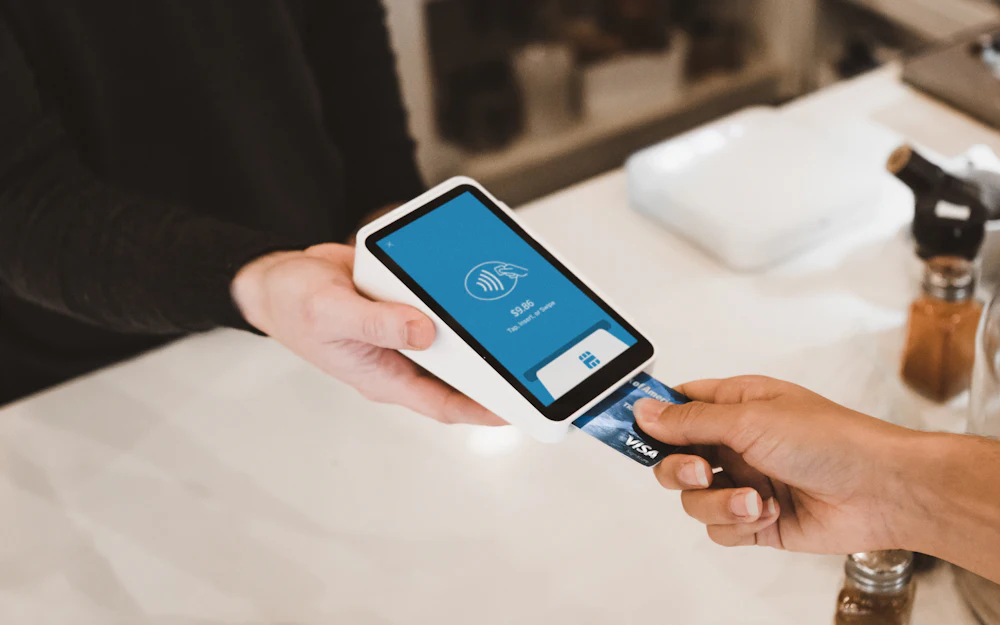
The same customer in the app, on the web, at the branch, and at the POS is four different records. Every channel restarts the relationship from scratch.

Qurable decides cashback and points inside the card authorization, in ~150 ms, and records what the bank and the merchant contribute. In production with Pomelo, Santander Peru, Banisi, and Konfío.
In production with Pomelo, Santander Peru, Banisi, and Konfío
Banks and fintechs using Qurable



The core problem
Without a single profile, and without deciding at the point of payment, the bank rewards late and rewards everyone the same. The most valuable customer leaves before the bank recognizes them.
[ 01 ]
The same customer in the app, on the web, at the branch, and at the POS is four different records. Every channel restarts the relationship from scratch.
[ 02 ]
Wallets and payment apps capture usage frequency. Customers build the habit with the app, not the bank.
[ 03 ]
Cashback calculated days later doesn't change today's purchase, and the best customers get the same offer as those about to leave.
With Qurable
The reward is decided inside the authorization, in ~150 ms.
Bank and merchant co-fund each campaign, with every contribution recorded.
One profile across every bank channel.
What changes
Three pieces a bank or fintech switches on over its issuer processor, without changing the core.
[ 01 ] Cashback at payment
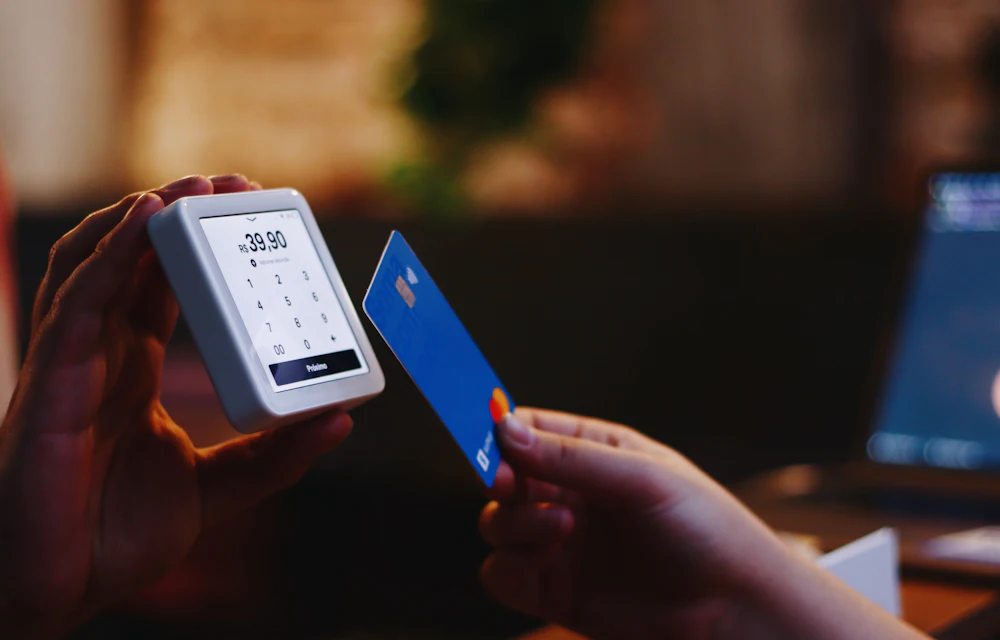
~150 ms to decide the benefit inside the authorization
[ 02 ] Merchant-funded
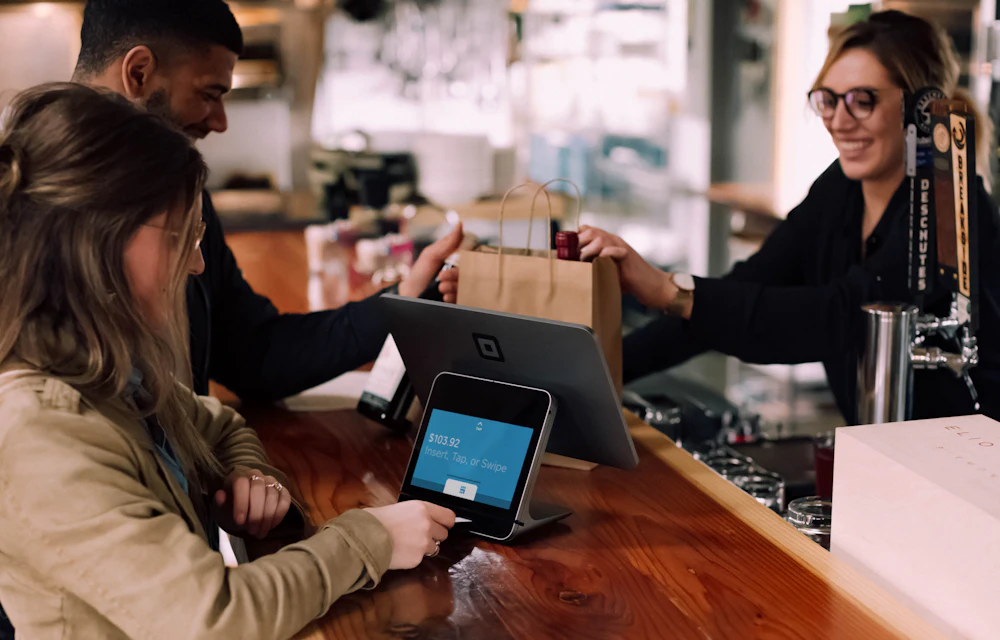
50/50 example: the bank pays half, and the merchant pays the other half
[ 03 ] Own or co-branded program
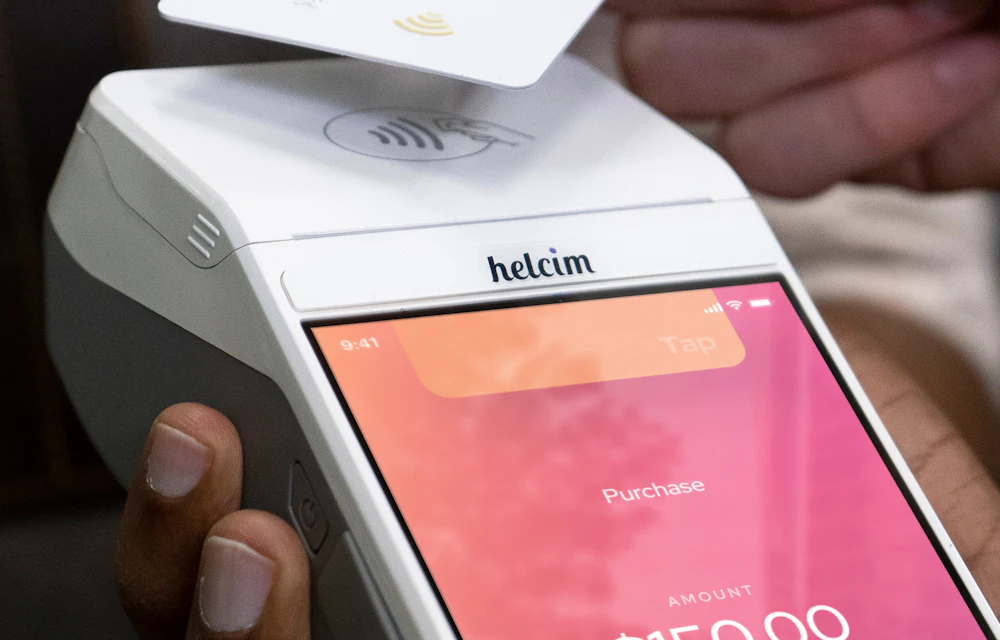
1 to 3 months to a pilot in production
Bank card promotions
Set up each campaign once, decide the reward at payment, and collect every merchant's share without spreadsheets. Cashback, installments, and discounts on one engine and one ledger, with Qurable Autopilot proposing what to adjust and the bank executing every money movement.
How Qurable solves it
Qurable connects to the issuer processor, not the core: it decides cashback or points inside the authorization, in ~150 ms, and records them on a double-entry ledger. The bank credits and collects with its usual processes, and the core doesn't change.
With the customer identified, plus the merchant and the payment method, Qurable picks the benefit inside the authorization and credits it to the account, the wallet, or the statement.
~150 ms the full decision
Authorization · Card purchase
ExampleAuthorize
The processor calls Qurable
Decide
Rules, caps, and priority
Credit
Account, wallet, or statement
Every campaign records what the bank and the merchant contribute. At each close, Qurable calculates the contribution and creates the charge; the bank executes it. Qurable doesn't move funds.
100% of contributions validated per campaign
Co-funded campaign · Close
ExampleApp, web, POS, and branch in a single record, with consent per channel and the full history of purchases and benefits.
< 50 ms identification, p95
Customer profile
ExampleOne profile
AI Journey drafts the rule, the audience, and the benefit; the campaign is simulated on real data, and nothing goes live without the team's approval.
Campaign · Draft
ExampleThe options
For a bank or a fintech, the best one meets five criteria: it integrates with the issuer processor without changing the core, decides the reward inside the authorization, combines cashback and points, operates in several countries, and can run in the bank's cloud. These are the options usually compared, and what to ask each one.
| Platforms | What to ask them | |
|---|---|---|
| Loyalty inside the payment | Qurable (live with Pomelo, Santander Peru, Banisi, and Konfío) | Whether it decides cashback or points inside the authorization, in how many milliseconds, and which issuer processors it already connects to |
| White-label cashback for banks | KACHING, CRM.COM | Whether the reward lands at payment or days later, and how the merchant's share is reconciled and collected |
| Global enterprise loyalty platforms | Comarch, Talon.One, Open Loyalty | Who implements and supports in the region, and whether it already integrates with local processors and wallets |
| Loyalty modules of CRM suites | Salesforce Loyalty Management | Whether the points ledger and liability come built in and how the reward is decided at the moment of payment |
An indicative list, not a ranking, built from the platforms that most often appear in evaluations by banks and fintechs in the region. Updated: November 2026.
| Criterion | What to ask the vendor | How Qurable handles it |
|---|---|---|
| Issuer and core integration | Which issuer processors it's already connected to, and whether the core has to change | It connects to the issuer processor and leaves the core as is; live with Pomelo, Santander Peru, Banisi, and Konfío |
| Decisioning at payment | How many milliseconds it takes to decide, and what happens if it doesn't respond | It decides inside the authorization in ~150 ms; if it doesn't respond, the transaction still goes through |
| Cashback and points | Whether it handles both currencies with the same engine and the same records | Cashback, points, and discounts on a double-entry ledger |
| Merchant funding | How each merchant's share is recorded and collected | The ledger records each party's share and Qurable calculates the charge; the bank executes it |
| Multiple countries | Which countries it operates in and who provides support in the region | Programs live in more than 6 markets in the region, with its own team |
| Security and deployment | Which certifications it holds and whether it can run in the bank's cloud | ISO 27001, deployed in the bank's cloud or in Qurable's |
FAQ
Rewards embedded in the payment, co-funded and running in your cloud.
Yes. The bank sets up each campaign once, and Qurable publishes it to every processor and channel, decides the reward at payment, records each party's share on the ledger, collects each merchant's share at every close, and reconciles daily. The bank executes every money movement.
With Qurable Autopilot: the agents analyze which campaigns drive spend, propose who gets which reward and cap, simulate it, and measure it against a control group. Every proposal goes through the bank's approval flow.
A points or cashback program that decides the reward inside the card authorization instead of calculating it days later. The customer sees the reward in the same payment. It’s live with Pomelo, Santander Peru, Banisi, and Konfío.
One that decides the reward inside the card authorization, using the transaction, the customer profile, and the campaign rules; records the bank’s and the merchant’s contributions; and can run in the bank’s cloud. Pomelo, Santander Peru, Banisi, and Konfío do it with Qurable: points, cashback, or a discount in ~150 ms.
With Qurable, the processor sends the authorization for each purchase and Qurable decides the cashback or points inside it, in ~150 ms. It records them on the ledger along with their reversals and gives the bank the movements to reconcile. This is the integration running with Pomelo.
Without touching the core: Qurable connects to the card issuer processor to decide the reward at authorization and shares customers, movements, and balances with the bank’s systems through a REST API, signed webhooks, and a daily export to the data warehouse. It can run in the bank’s cloud.
Without changing the core: Qurable connects to the issuer processor and decides cashback or points inside the authorization, with a ledger that reconciles the liability. Current balances are migrated with a reconciliation report, the program can run in parallel before the cutover, and the platform can run in the bank's cloud.
The bank and the participating merchant split the reward, for example 50% each. The ledger records each party's contribution and, at each close, Qurable calculates the merchant's contribution and creates the charge, which the bank executes. Qurable doesn't move funds.
Yes. Qurable credits the points or cashback in the bank's program, or calculates the reward and sends it to a partner brand's program.
Yes. Qurable runs in containers, in Qurable's cloud or the client's, on any provider and in any region.
The transaction goes through and points are credited once the service is back. Redeeming points does require a connection.
With controls it can review: every change arrives with its plan and risk, approval rules are written in business terms (for example, two approvers above a certain amount), agents never approve themselves, there are spending caps and a pause button, and every run is audited. Only approved rules run at checkout.
Related guides
All resourcesEfficient: one setup, decided inside the payment and reconciled daily, with the merchant's share collected automatically.
A bank card promotion almost always ends in cashback: money in the account, a statement credit, or points.
Today, every campaign requires an IT request and a new list; reusable audiences remove that step.
More guides
Compare alternatives
No commitment · 45-minute session
We'll show you how Qurable decides cashback inside the authorization and reconciles every contribution, and how your risk committee approves and audits the AI agents. Pilot in production in 1 to 3 months.