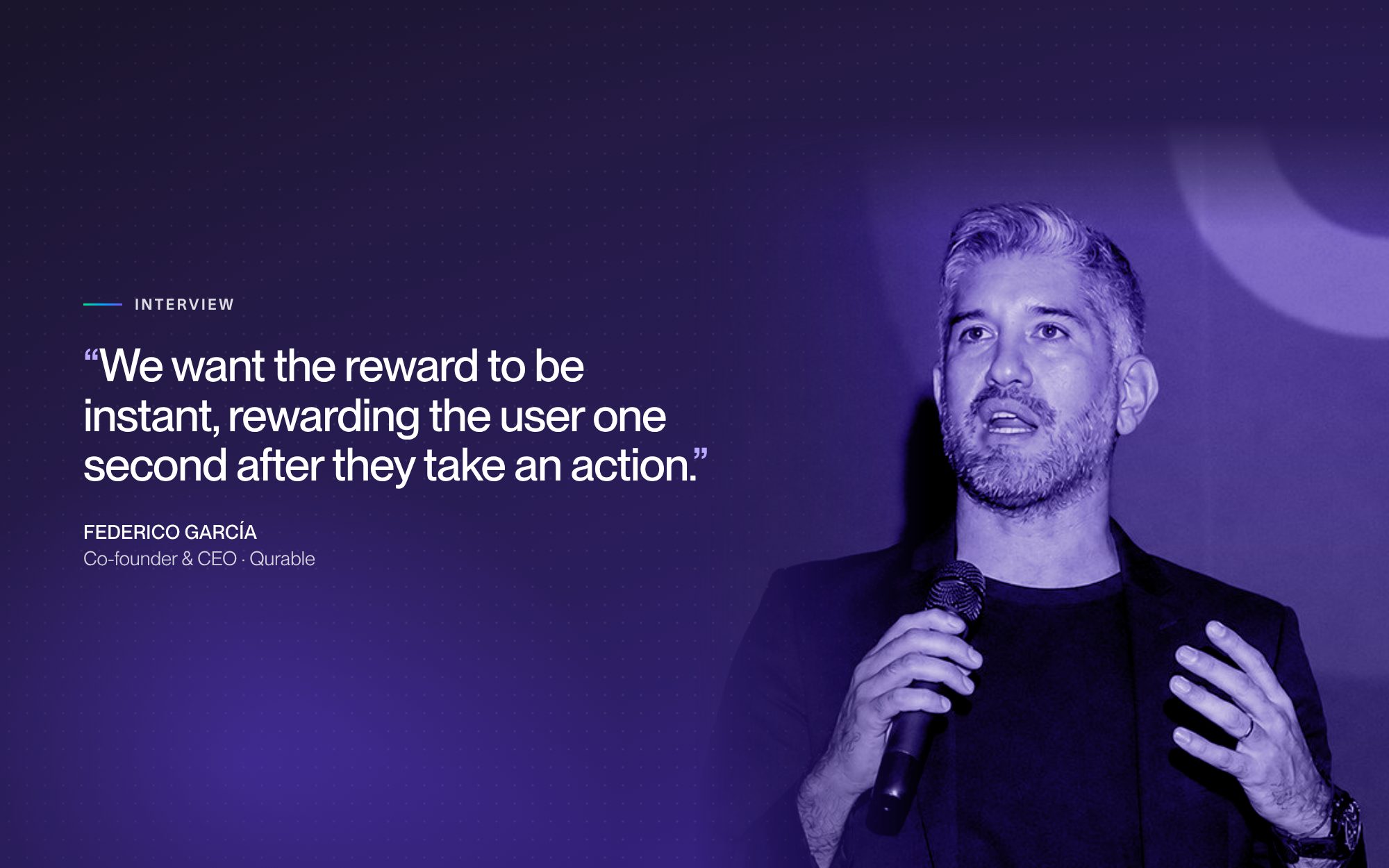
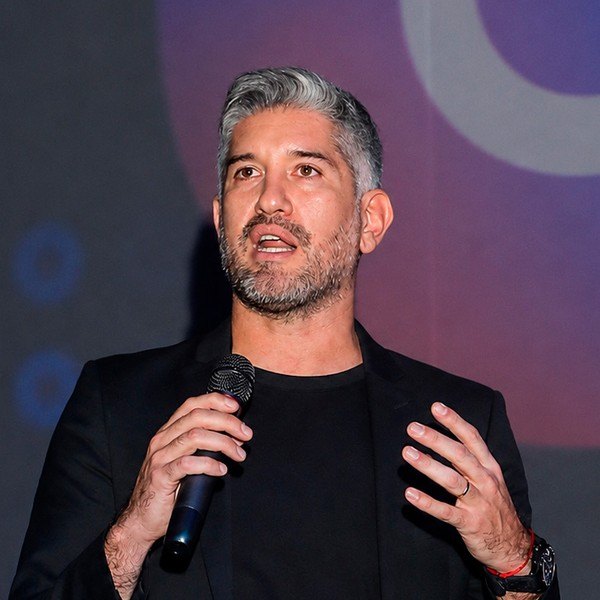
Federico García comes from the world of digital services for enterprises. With the other Qurable co-founders he built Lagash, a company later acquired by Mercado Libre, where he went on to lead product for the mercadolibre.com marketplace.
The Open Loyalty Report 2026 quantifies the gap: 75% of companies name real-time gratification as a core investment priority. Only 16% execute it consistently (Deloitte, 2026). The distance between those two figures doesn't reflect a budget shortfall or a lack of strategic intent. It reflects an architecture decision made years ago — building on the marketing stack instead of the payments infrastructure.
The payment moment is the most valuable signal available — and most platforms can't read it
The instant a consumer decides to spend concentrates more intent, more context, and more receptivity than any other point in the customer journey. It is the only moment when the organization knows with certainty what was purchased, when, where, and for how much. Platforms built on the marketing stack receive that signal late, in batch, and respond from the inbox after the consumer has already closed the transaction and moved on.
The consequences are measurable. Antavo documents that consumers redeeming personalized rewards spend 4.3 times more than those receiving generic offers. The U.S. market accumulates $10 billion annually in unredeemed loyalty points — value issued that generates no behavior because it never arrived at the right moment. And 43% of consumers who unsubscribe from loyalty communications do so due to irrelevance, not message volume (Attentive, 2026).
The imperative is not to accelerate the current channel — it is to replace the architecture
Organizations attempting to close this gap by optimizing their marketing stack are not addressing the root cause. The problem is not the speed of the email. It is that email has no access to the payment signal. The solution requires native integration with the POS and PSP, sub-second latency, and a decision engine that acts on the transaction — not on its delayed reflection in the CRM.
Companies that adopt this architecture in the next 18 months will build a structural advantage that is difficult to replicate: a first-party data asset constructed on the highest-intent moment in the consumer relationship. Those that don't will continue measuring loyalty success in points issued, not in behavior generated.
How Qurable closes this gap
Qurable was built to close exactly this gap — from a position that marketing stacks cannot replicate: native integration in the payment rail.
The 59% of organizations that declare real-time gratification a priority but cannot execute it share a common denominator: their engagement platform lives on top of the marketing stack, several steps removed from the moment of transaction. Qurable inverts that logic. The decision engine does not wait for the CRM to receive the signal. It operates at the POS and PSP, at the instant the transaction occurs.
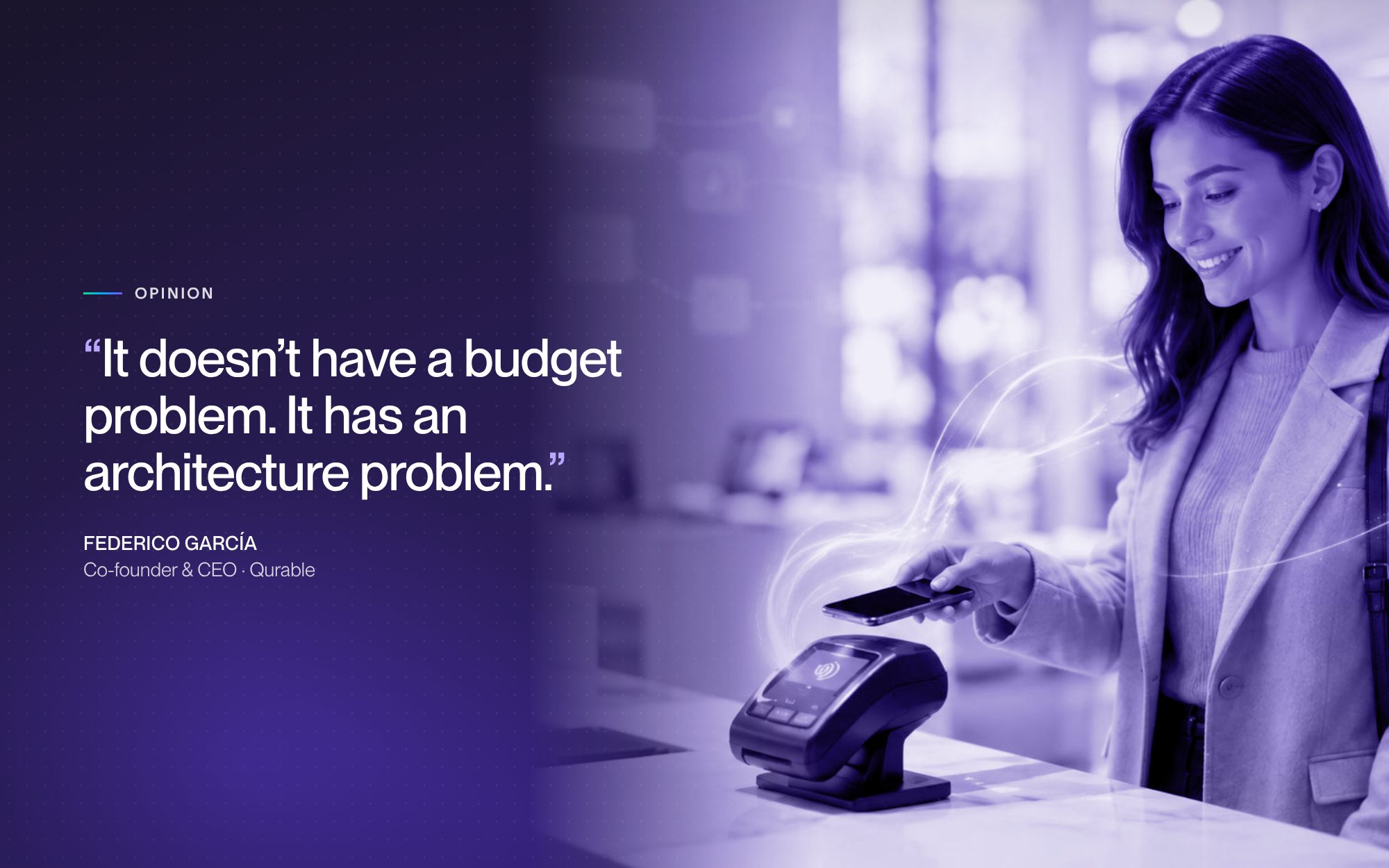
The 75% that prioritizes real-time but cannot execute does not have a budget problem. It has an architecture problem. Qurable solves that problem from the correct layer.
Frequently asked questions
It is the distance between the 75% of companies that name real-time gratification as an investment priority and the 16% that execute it consistently (Deloitte, 2026).
Because their engagement platform sits on top of the marketing stack: it receives the transaction signal late, in batch, and responds from the inbox after the consumer has already completed the purchase.
Native POS and PSP integration, sub-second latency and a decision engine that acts on the transaction, not on its reflection in the CRM hours later.
Its decision engine operates at the POS and the PSP, at the instant of the transaction, and delivers the offer, reward or mission while the consumer is still at the point of sale.