Turnover among the strategic partners of the service —drivers, couriers— is the largest invisible cost in quick commerce and on-demand mobility. Leading organizations don't solve it with more benefits, but with benefits curated to the partner's real profile. Uber Pro formalized that approach as global infrastructure. Soy Rappi applied it in the region.
Why retaining the strategic partner takes a different logic
The partner community in quick commerce operates under a logic that differs from an internal team. McKinsey segments independent work into four profiles —free agents and casual earners, who choose the model; reluctants and the financially strapped, who do it out of necessity— and shows that retention correlates directly with the first group: the closer the partner sits to the free-agent profile, the stronger the bond with the platform.
Traditional HR tools —corporate plans, standard insurance, generic marketplaces— are built for a different profile. The gap is relevance, not budget. For a gig community, the day revolves around fuel, vehicle maintenance, phone insurance, connectivity, and basic financial services — not a corporate catalog.
The Uber Pro standard
Uber Pro structures the program in tiers that progress through sustained behavior over time, not a single spending event. But the curation of benefits is where the program separates from a generic marketplace: cashback on fuel, maintenance discounts, vehicle financing, and financial infrastructure for a community historically outside the banking system. The most recent piece is regional —the Uber Pro Card in Mexico, which surpassed 150,000 affiliated drivers and couriers in less than a year— and it confirms the logic: benefits reflect the partner's day.
BCG quantifies the impact: leading personalization organizations grow roughly 10 percentage points faster in annual revenue than laggards. The lever, then, isn't the points mechanic: it's the curation of the marketplace to the partner's real profile and the depth of the agreements with the brands aligned to their day.
The case: Soy Rappi
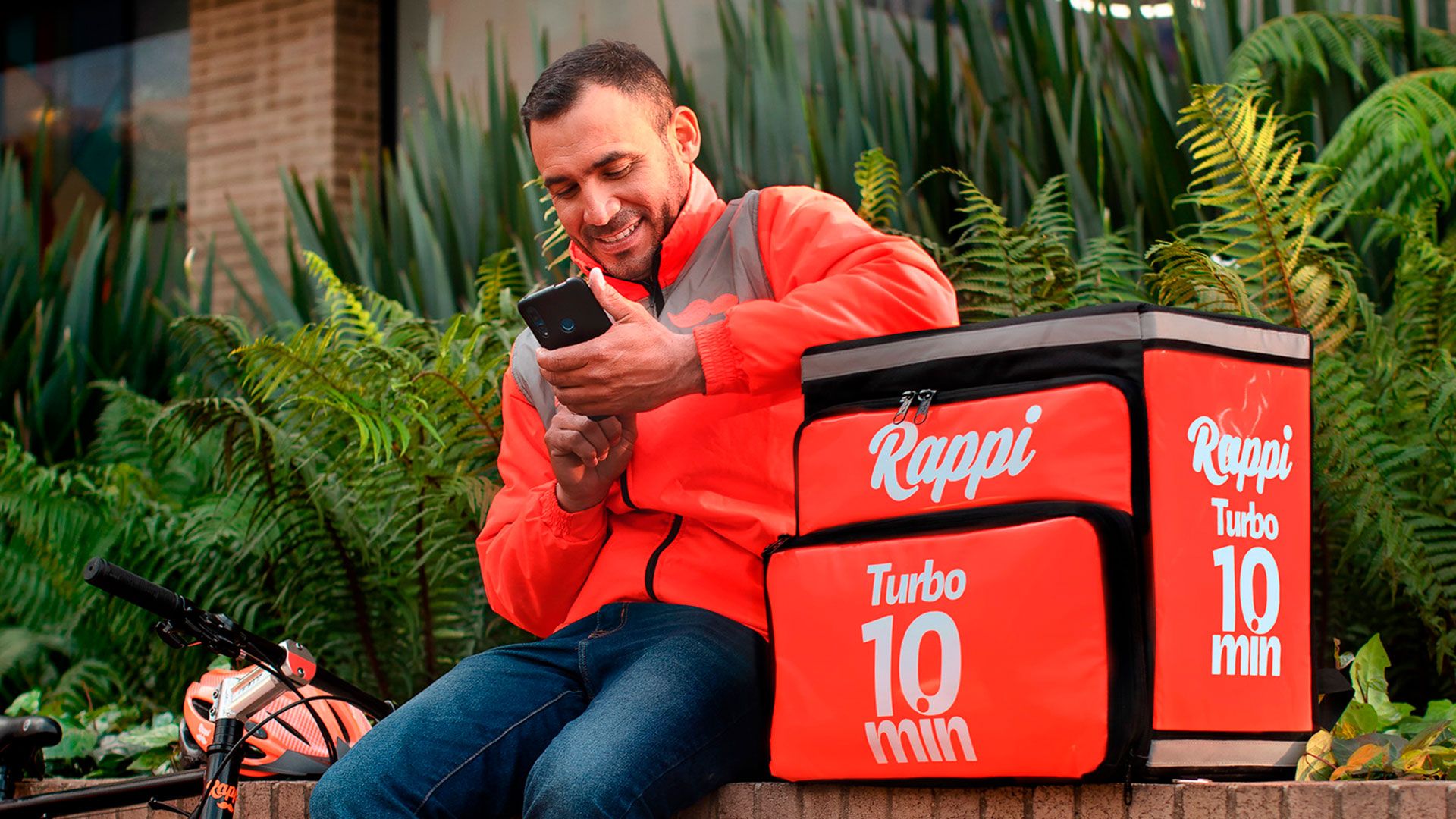
Rappi, one of the most recognized quick commerce organizations in the region, sought a loyalty program for its rappitenderos: a community of strategic partners with a very particular profile that traditional tools don't account for. The starting point is the one that defines the sector — the classic tools, built for internal structures, don't generate real engagement in a young, dynamic community with specific needs.
At Rappi, the rappitenderos are our strategic partners. They have a very specific profile of their own, and a generic program was not enough to recognize them the way we wanted. We needed a marketplace curated to a real profile, with benefits relevant to their day.
Qurable worked with Rappi on two integrated planes under a single team. In technology, it built the partner module, with a benefits marketplace curated by user profile and a points-and-tiers system to identify and recognize the most active rappitenderos. And it went a step beyond the classic role of a provider: it also supported the design of the partner model, bringing on board brands aligned with the courier's day (fuel, workshops, phone insurance, gyms, food services, telephony). The MVP connected more than 170,000 couriers across 100 cities in Mexico.
- Tiers based on real behavior: the system is built on frequency, categories, and sustained service quality, not on a single spending event.
- Marketplace curated by partner profile: accumulation and redemption rules are configured to the target community's day, with affinity-based, personalized benefits.
- Partner model with integrated onboarding: Qurable supports the design of commercial agreements and the onboarding of the brands that compose the ecosystem.
- Real-time identification and recognition: the payment rail enables recognizing the most active partners at the moment the interaction occurs, not in a later batch.
What surprised us most about Qurable was that they did not just bring the platform. They also supported the design of the partner model, helping bring on board the brands aligned with the ecosystem. That is a step beyond the classic role of a technology provider, and it let us launch the program with the depth we needed.
Qurable by the numbers (all clients)
For us, the value was in how Qurable understood in depth the needs of the rappitenderos. They supported us not only in building the loyalty program but also in shaping the partner model, so we could close the full cycle: identifying the most active community, recognizing it, and offering benefits designed for its profile.
The implication for the sector
Turnover among strategic partners in quick commerce and on-demand mobility isn't solved by adding another discount program, but with a marketplace curated to the partner's real profile and a partner model designed to bring on board brands aligned with their day. The global standard is already set by Uber Pro; the question is who implements it in LATAM with the depth a regional community requires.
For a community with needs as specific as those of the rappitenderos, the value of the program is not in the points mechanic. It is in the curation of the marketplace and in the brands that join the ecosystem. That is what makes the program achieve real engagement: affinity, not the quantity of benefits.
How does your organization measure the success of its strategic partner program today: by the quantity of benefits offered, or by the real engagement of the community?