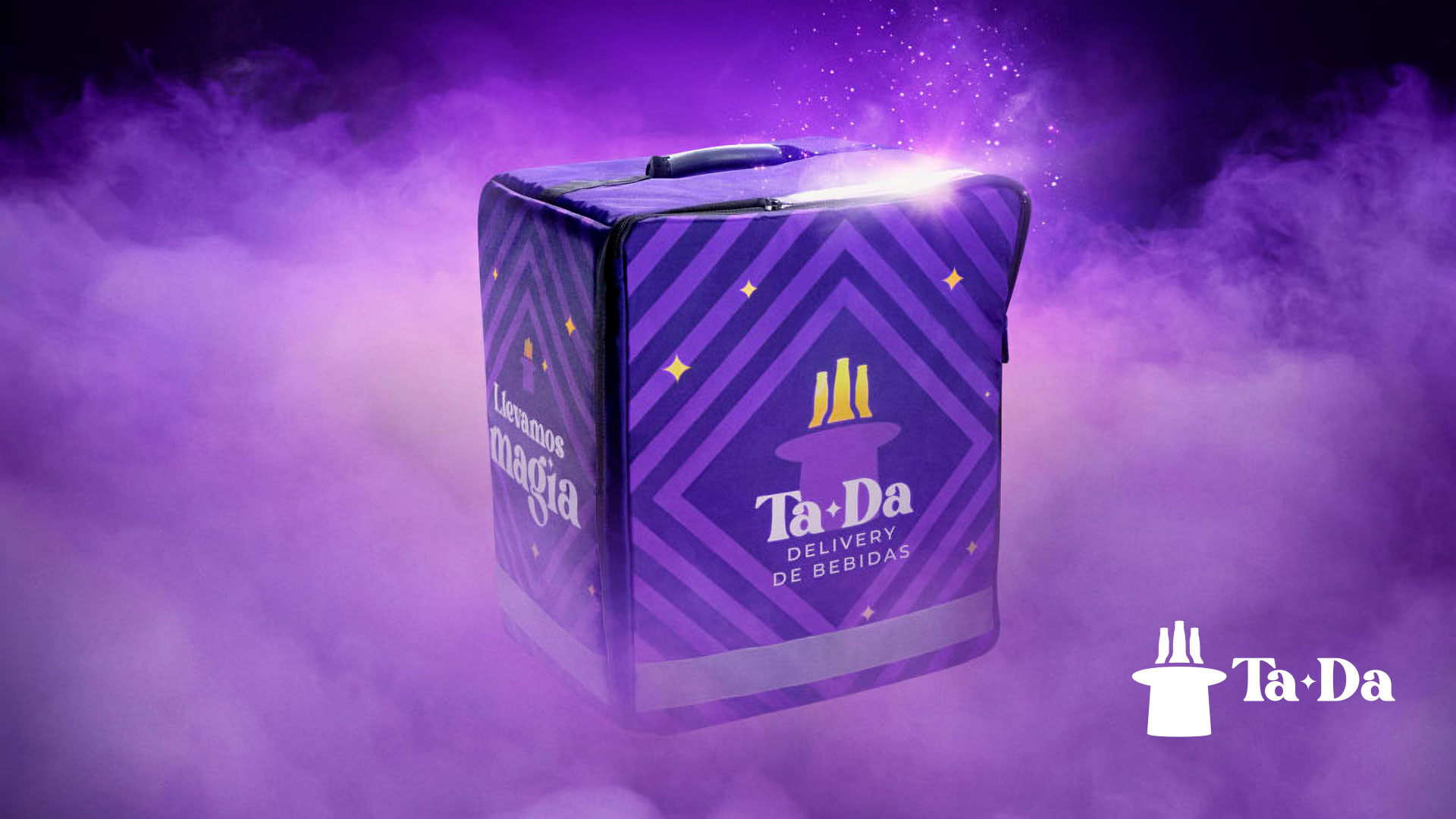
The distance between the loyalty program organizations want to run and the one they actually operate is one of the most expensive gaps in digital retail. The difference is not budget or team size. It is architecture. Club TaDa, the loyalty program of AB InBev's (Grupo Quilmes) DTC beverage ecommerce in Argentina, demonstrated during its operation that when that architecture is well designed, operating speed becomes the competitive advantage.
The silent gap of digital loyalty
The conversation about personalized engagement and real-time decisioning has been in sector forums for years, but execution lagged behind. McKinsey identifies that the highest-value lever in modern engagement is the ability to personalize the decision per person, at the exact moment of interaction, on real behavioral data. And BCG quantifies the consequence: personalization leaders grow approximately 10 percentage points faster than laggards in annual revenue.
The real question is not whether real-time engagement matters. It is why so few organizations actually execute it. The short answer: most have programs designed to launch once a year, not to iterate every week.
The gap closes with architecture, not budget
When loyalty operations depend on requesting development for every new campaign or new segment, the commercial team ships what it can, not what it needs. The consumer's pace does not wait for a release calendar.
Organizations that close the gap do it with a structural and quiet piece: a modular API-based architecture, where accumulation rules, coupons, missions, and audiences are configured and edited without writing new code. That is the difference between a traditional points program and a modern engagement platform. And it is what Club TaDa put into production.
The case: Club TaDa
Club TaDa was the digital loyalty platform of AB InBev's (Grupo Quilmes) DTC beverage ecommerce arm during its operation in Argentina. It was designed to drive recurrence, engagement, and personalization on a highly active and transactional user base.
The initiative centralized the loyalty strategy on a single platform and integrated benefits, coupons, points, campaigns, and segmentation. The focus was not solely on building a points program, but on developing a flexible ecosystem that allowed the TaDa team to launch, iterate, and optimize loyalty actions in real time without constantly depending on technical development.
Speed and commercial autonomy
One of the main differentials of the project was the ability to run campaigns, benefits, and promotions at high execution speed, thanks to a modular API-based architecture. This allowed the TaDa team to:
- Launch new rules and promotions quickly.
- Configure segmented campaigns by audience.
- Adapt benefits according to real user behavior.
- Evolve commercial dynamics without operational friction.
The platform was prepared to support a growth and continuous optimization logic, where operations stopped being a bottleneck and became a lever.
The modular API-based architecture was what made the project easiest for us. The platform integrated with the systems we already had in an orderly way, without forcing the technical team to duplicate flows. And for the commercial team, it meant being able to configure campaigns and rules directly from the platform.
Loyalty, coupons, and personalization
Club TaDa incorporated advanced engagement and loyalty capabilities: point accumulation and redemption, personalized coupons, missions and promotional dynamics, audience segmentation, configurable rules, and contextual benefits by profile or behavior. The strategy allowed the team to evolve from mass promotions to more relevant experiences for each user, aligned with their real consumption history.
Integrated digital experience
The experience was designed to connect loyalty and consumption inside a single digital journey. The solution integrated centralized coupon visualization, point management, simplified onboarding, mobile-first experiences, and navigation oriented to activation and conversion. The customer did not have to enter and exit multiple tools to participate in the program. Loyalty lived inside the purchase flow, not as an additional layer.
Data and insights
Centralizing the operation enabled analytical capabilities on user behavior, benefit usage, recurrence, campaign performance, and audience segmentation. That centralization was the foundation of a continuous optimization strategy, sustained by data and real consumption behavior, not by intuition or external benchmarks.
Results
The figure frames the case but does not define the learning. The real learning is structural: when the commercial team operates with autonomy, the loyalty strategy stops being a quarterly project and becomes a daily capability.
Time to production was one of the great differentials of the project. We had a complete loyalty platform up and running in a few weeks, and that allowed us to start measuring, iterating, and optimizing from month one.
The implication
The gap between intent and execution in loyalty does not close with more budget or a more sophisticated catalog of benefits. It closes with an architecture that returns control of operations to the commercial team. Club TaDa demonstrated that when that architecture is well designed, an organization can operate at the speed of the digital consumer regardless of the size of its technical team.
How many loyalty campaigns does your organization launch per quarter, and how many would it like to launch if execution were not the bottleneck?